CYC-BIO · FORMULA DEVELOPMENT GUIDE
Custom cosmetic formulation starts with a clear product brief—not just an ingredient list. The desired texture, shade, finish, fragrance, packaging and intended selling market all affect development decisions. This guide explains how beauty brands can move from a product idea to an agreed sample and well-defined manufacturing requirements.
It covers the information to prepare, six practical development stages, the types of customization to discuss, how to review samples and what happens before bulk production.
What Does Custom Cosmetic Formulation Involve?
Custom formulation means developing or adapting a product to agreed requirements. Some projects refine an existing base formula, while others involve more extensive development. The scope depends on technical feasibility, available materials, target-market requirements and the commercial agreement.
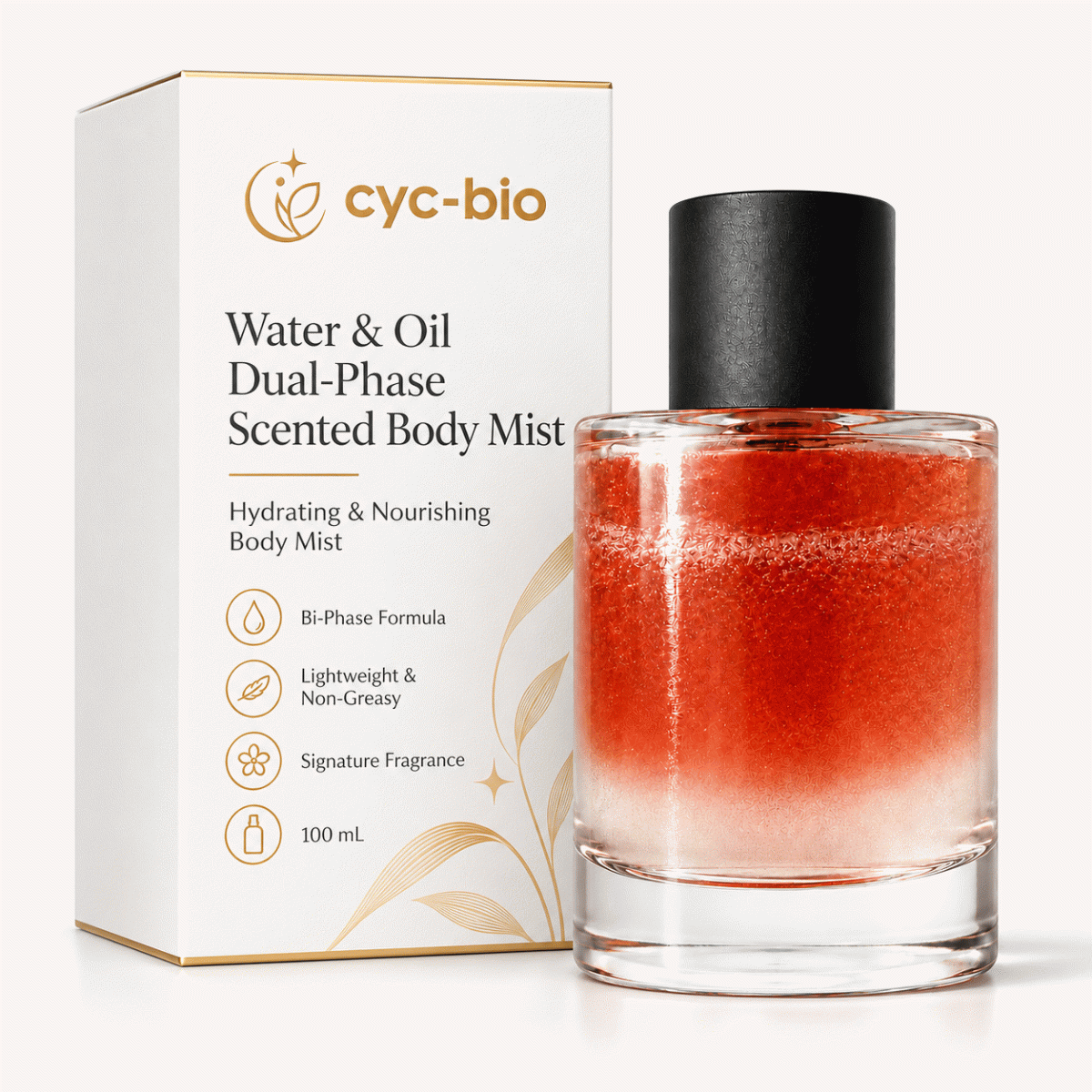
A foundation brief might focus on coverage, finish and shade references; a body mist may emphasize fragrance, appearance and spray performance. Both also need to work with their intended packaging.
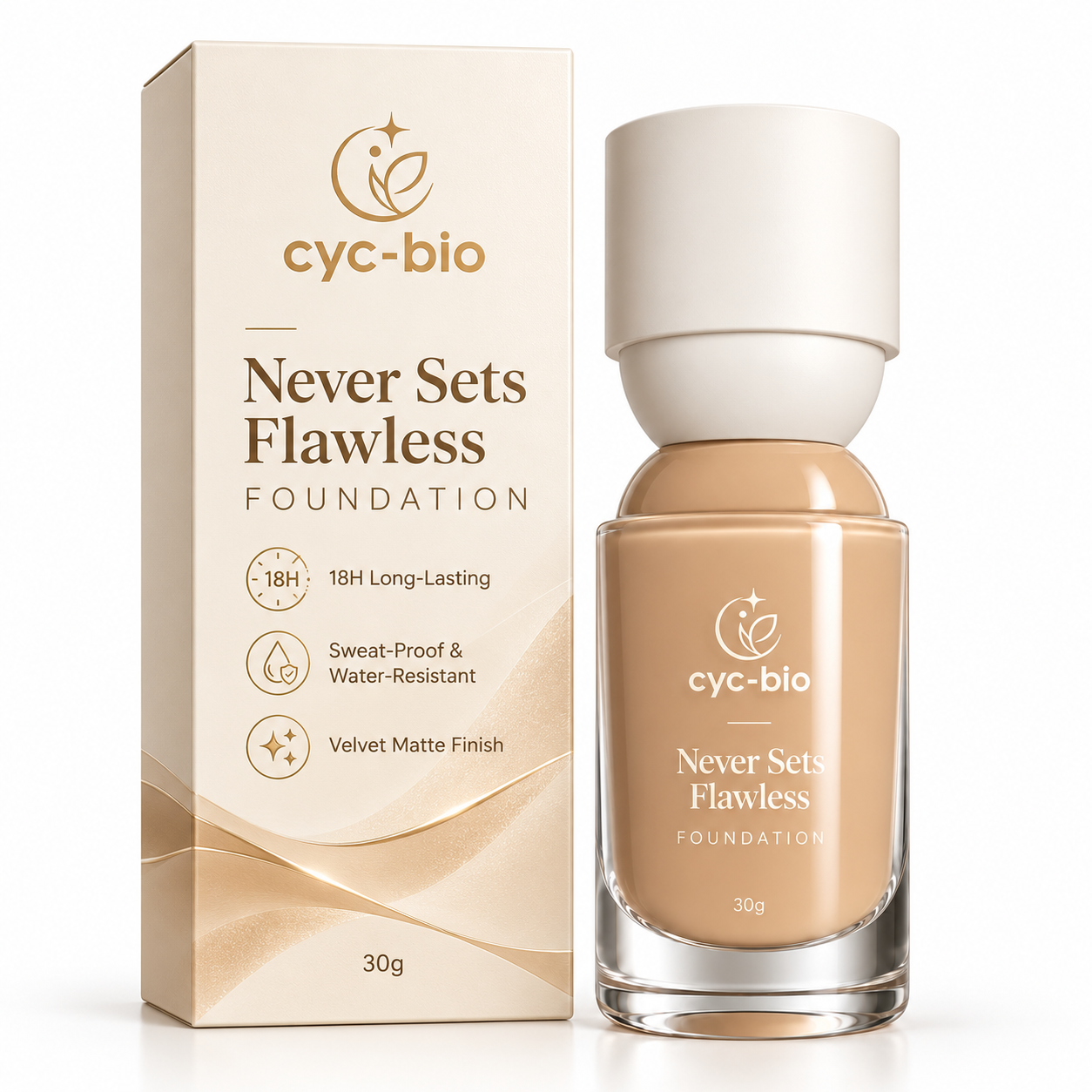
CYC-BIO product example: formula characteristics and packaging need separate specifications.
1. Start With a Detailed Product Brief
Brands do not need to prescribe every ingredient before contacting a formulation partner, but clear objectives reduce unnecessary sample revisions. A useful initial brief includes:
↔ Swipe horizontally to view all columns
| Information | What to provide |
|---|
| Product category | Foundation, cushion, lip product, personal care, body mist or fragrance |
|---|
| Target user and market | Intended customers, selling countries and any known regulatory or label requirements |
|---|
| Desired characteristics | Texture, shade, finish, application feel, appearance or fragrance direction |
|---|
| Reference products | Physical samples, photos and performance benchmarks—not guarantees of an identical copy |
|---|
| Packaging direction | Bottle, compact, jar, dispenser, fill quantity, decorations and material preferences |
|---|
| Commercial expectations | Estimated volume per SKU, target positioning, budget range and target launch milestones |
|---|
Buyer tip: Identify the planned number of shades, fragrances or product variants early. This influences sampling, packaging, production feasibility and costing.
2. Six Steps From Product Brief to Approved Sample
The workflow varies by product, but these six stages provide a useful framework for procurement and product-development teams.
Define the Brief
Agree on the intended product, market, reference sample, sensory goals, packaging and acceptance criteria.
Assess Feasibility
Review raw material availability, formulation constraints, intended claims, dispensing system and likely testing needs.
Develop First Samples
Prepare an initial prototype or adapted formula for the brand to evaluate. This is a starting point, not production approval.
Document Feedback
Record specific observations on color, texture, finish, fragrance, appearance and application experience.
Revise and Evaluate
Refine the product where technically feasible and plan appropriate stability, compatibility, microbiological or other evaluations.
Confirm Sample Approval
Document the agreed reference sample, version and specifications, along with remaining tests and production prerequisites.
Sample approval is a development milestone. It does not replace required safety evaluation, product testing, regulatory review or finished-product quality controls.
3. What Can Be Customized in a Cosmetic Formula?
Depending on technical feasibility and the product category, customization can cover:
- Texture: lightweight, creamy, gel-like or another sensory direction.
- Color and shade: makeup pigment and shade references.
- Finish: matte, natural, luminous or other appearance characteristics.
- Fragrance: scent preferences and application experience, where appropriate.
- Product format: pump, spray, cushion or jar compatibility and dispensing behavior.
- Market positioning: ingredient preferences and claims to be assessed for the destination market.
These are not independent variables. Changing viscosity, fragrance or pigment can affect stability, compatibility and performance, so each change must be assessed.
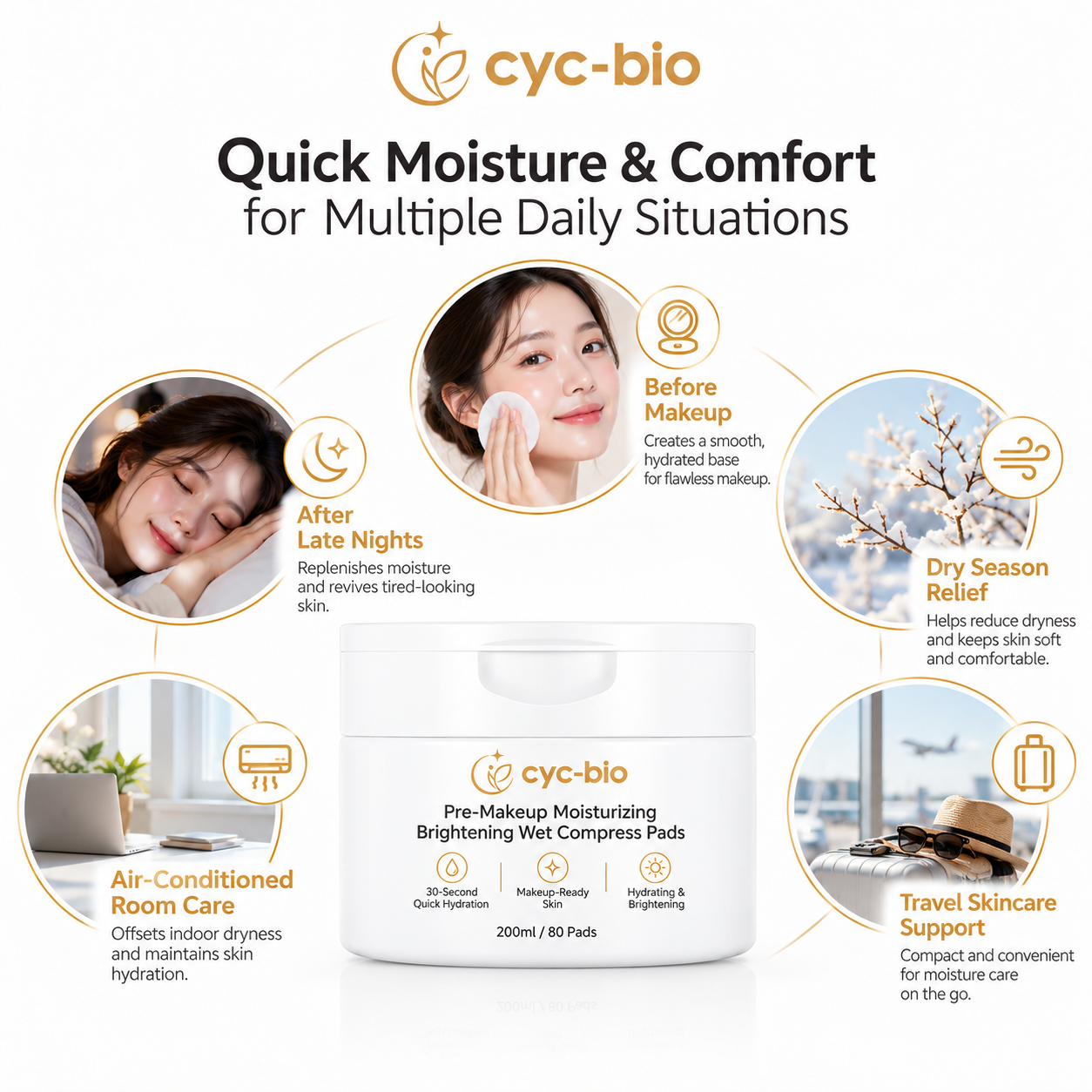
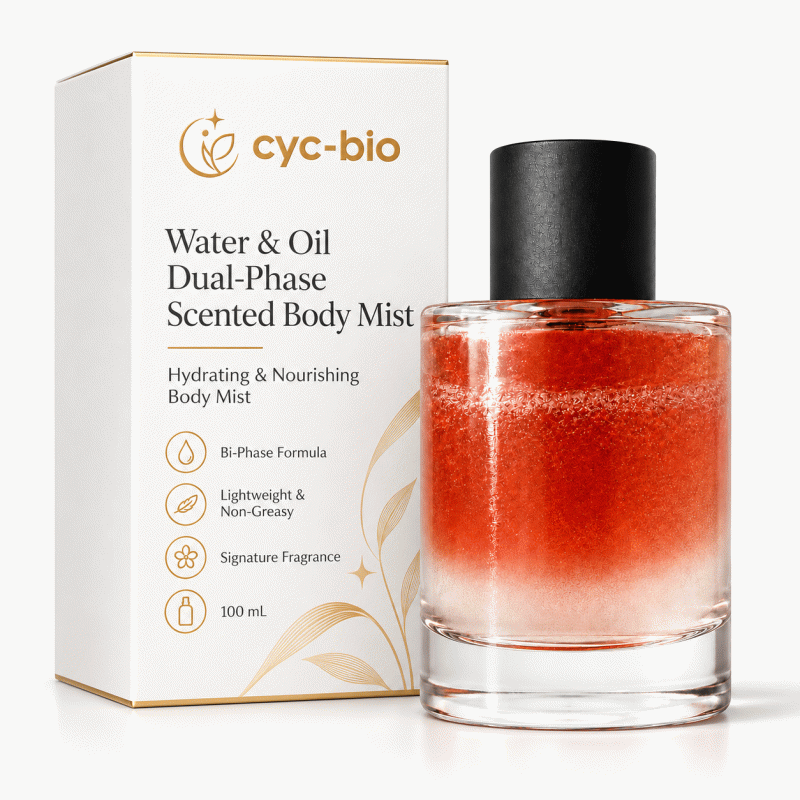
CYC-BIO product example showing why formulation appearance and dispensing format matter.
4. How Should Buyers Evaluate Cosmetic Samples?
A structured evaluation makes feedback more actionable. Separately document sensory acceptance and outstanding technical testing.
↔ Swipe horizontally to view all columns
| Evaluation area | Questions to consider |
|---|
| Appearance and shade | Does the sample match the agreed references under suitable viewing conditions? |
|---|
| Texture and application | Does it spread, absorb or dispense as expected during intended use? |
|---|
| Fragrance | Does the scent direction match the original brief? |
|---|
| Packaging compatibility | Will the formula work with the selected bottle, compact, pump or closure? |
|---|
| Appropriate testing | What stability, microbiological, preservative or other evaluation applies? |
|---|
| Documentation | Who is responsible for proposed claims, labeling, technical reports and sign-off? |
|---|
It is possible to accept a formula’s appearance or sensory direction while technical evaluation is ongoing. These milestones should be recorded separately.
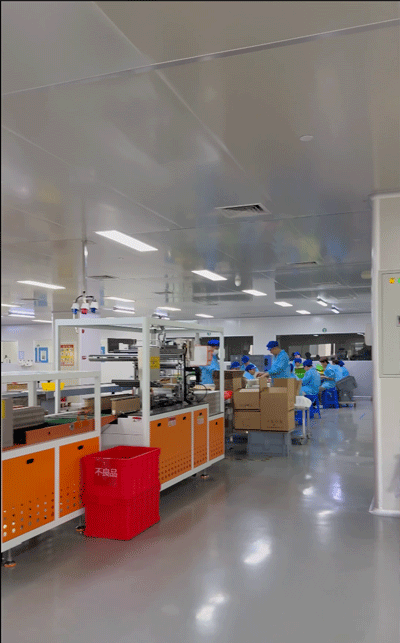
Quality-control illustration from the CYC-BIO site; required tests are project-specific.
5. What Happens After the Sample Is Approved?
Before a commercial order, confirm the final reference sample, formula and product specifications, shade or fragrance identifiers, packaging components, fill quantity, test and documentation requirements, MOQ, price scope, estimated schedule and agreed inspection checkpoints.
An approved sample alone is not a complete manufacturing instruction. It should be supported by a written specification and clear responsibilities for any outstanding technical or market-specific requirements.
Product and packaging specifications should be aligned before commercial production.
6. How CYC-BIO Supports Product Development
CYC-BIO supports makeup, personal care and fragrance projects for brands, importers and wholesale buyers. Depending on the product, development and manufacturing are coordinated through CYC-BIO’s own resources and selected production partners. The scope of manufacturing, tests and quality documentation is confirmed for each project.
Share your concept, reference sample, intended selling market, estimated quantity and packaging requirements to begin a practical discussion. For help choosing a cooperation model, read OEM vs ODM vs Private Label Cosmetics. You can also explore OEM/ODM Solutions, Manufacturing & Quality and our products.
Frequently Asked Questions About Custom Cosmetic Formulation
Can I use a competitor product as a reference?
Yes. A reference can communicate the intended sensory profile, shade or finish. Technical feasibility and applicable rights must be assessed; an identical replica is not automatically achievable.
How many sample revisions are needed?
There is no fixed number. Revision needs depend on the brief, feedback quality and technical constraints. Agree on costs, revision scope and criteria before development.
How long does custom formulation take?
Time varies with formula complexity, raw materials, packaging decisions, revisions and required evaluations. Ask for separate estimates for initial sampling, testing and production.
Does sample approval mean the product is ready to sell?
Not necessarily. Safety, stability, compatibility, microbiological, documentation or market-related requirements may still be outstanding.
Who owns the developed formula?
Ownership, licensing, confidentiality and exclusivity are determined by the written agreements. Confirm these terms before funding bespoke development.
Have a Cosmetic Formula in Mind?
Share your product concept, reference sample, target market and packaging requirements. Let’s discuss a practical development approach for your project.