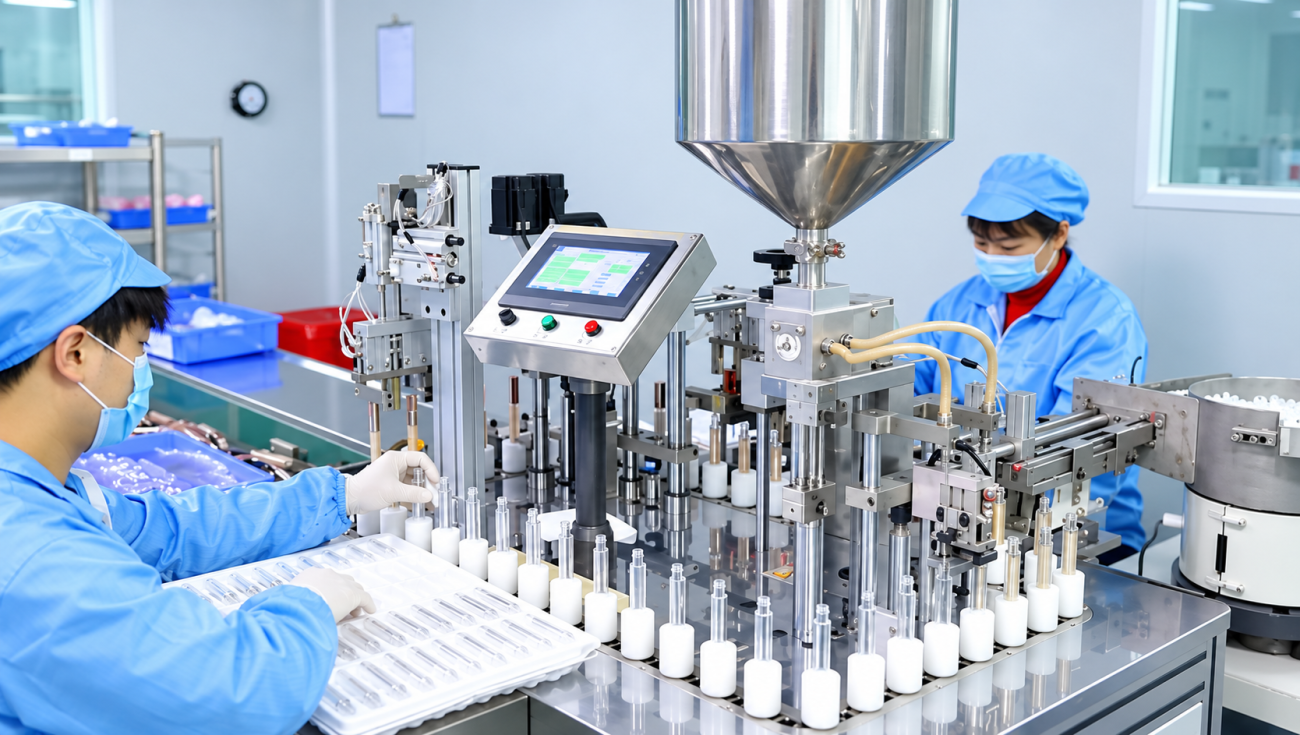
OEM, ODM and private label cosmetics are different ways to bring a beauty product to market—but the terms are not used consistently by every manufacturer. The practical differences are who defines the product, who contributes to its development, and which customization and production responsibilities are agreed in writing.
For beauty brands, distributors and importers, choosing a suitable model starts with your existing product specifications, target market, desired level of customization and launch priorities. This guide explains how to compare the options before requesting a quotation.
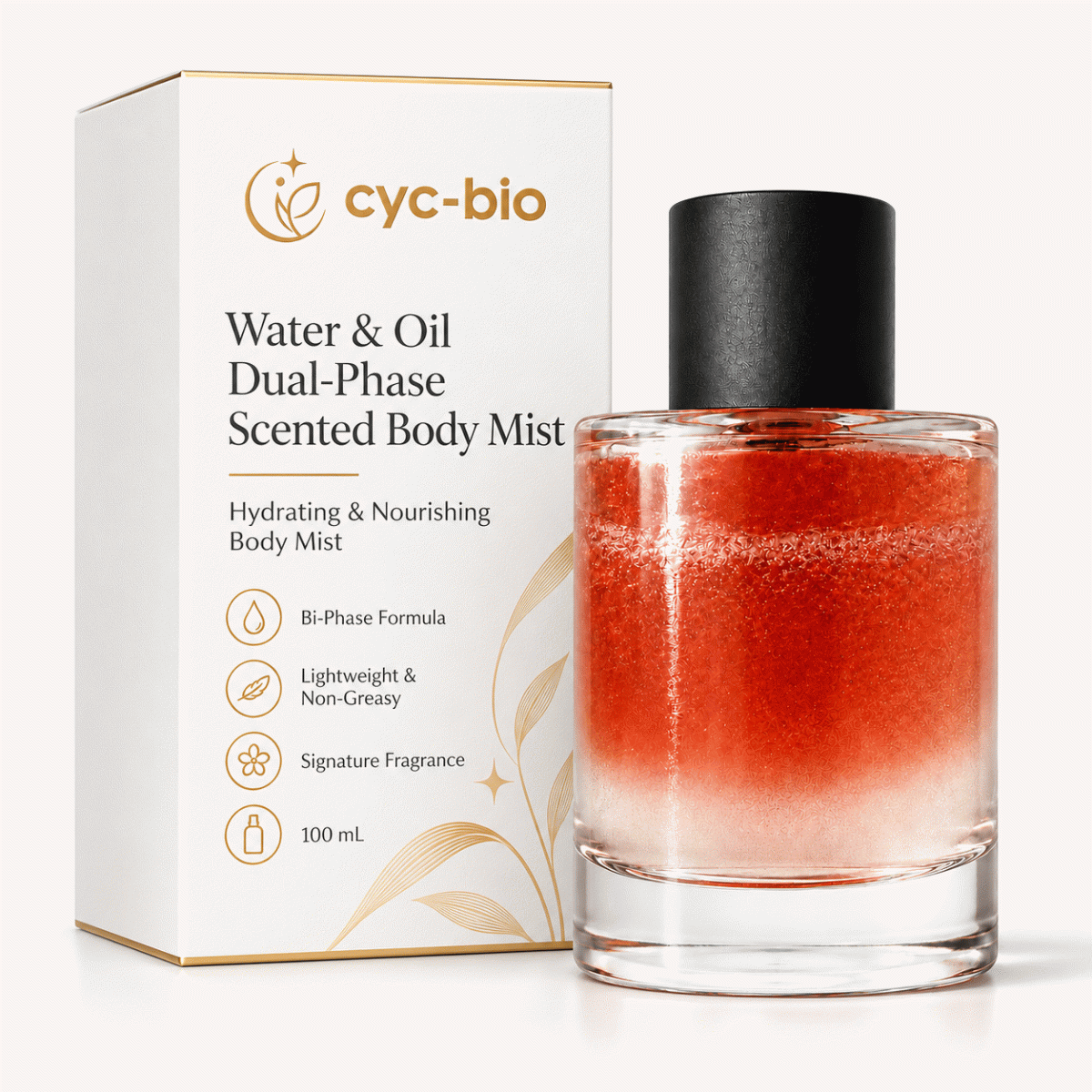
Example from the CYC-BIO product portfolio: product and packaging presented together.
OEM, ODM and Private Label: The Short Answer
OEM — Manufacture to Agreed Specifications
With original equipment manufacturing (OEM), a buyer typically defines or supplies product specifications and commissions a manufacturer to produce to those requirements. Development and testing responsibilities depend on the project agreement.
ODM — Product Development with Manufacturer Input
With original design manufacturing (ODM), the manufacturing partner contributes to product design or formulation, usually beginning with a product brief and moving through sample reviews before production.
Private Label — Adapt an Existing Product Direction
Private label typically uses an existing formula or product platform with agreed branding, packaging or presentation options. It can be an efficient way to evaluate a category without developing every element from scratch.
Important: These are practical descriptions, not legally fixed definitions. Always verify the actual development scope, formula rights, testing, packaging responsibilities and ownership terms in your agreement.
OEM vs ODM vs Private Label: Key Differences
↔ Swipe horizontally to view all columns
| Buyer consideration | OEM | ODM | Private label |
|---|
| Starting point | Buyer specifications | Joint development brief | Existing product platform |
|---|
| Typical custom work | Production to defined requirements | Formula, texture, format or packaging development | Branding and agreed packaging options |
|---|
| Sample review | Conformity to specification | Development iterations and evaluation | Product and packaging approval |
|---|
| Best suited for | Brands with defined requirements | Brands seeking development support | Brands testing or extending a product line |
|---|
| MOQ and lead time | Project-specific; affected by formula, packaging, testing and production requirements |
|---|
| Formula ownership | Must be confirmed contractually; not determined by the model name alone |
|---|
1. When Does OEM Manufacturing Make Sense?
OEM may be a practical route when your brand already has a clear product specification, a reference formulation or an approved performance target. You should be ready to document the product category, intended market, product characteristics, packaging and the acceptance criteria your supplier is expected to meet.
For example, a brand planning a foundation range may specify the desired coverage, finish, shade references and packaging components. Before production, the parties still need to agree on sample approval, material sourcing, applicable tests, quality checkpoints and who provides the relevant technical documentation.
What to ask: Can the manufacturer work to your technical requirements? Which ingredients and components are buyer-supplied? How will conformity be measured? What is included in the quotation?
2. How Does ODM Cosmetic Development Work?
ODM is more appropriate when you have a product concept but need technical help translating it into a workable formula, format or packaging combination. A practical development brief usually covers the target customer, product type, texture, fragrance preference, target market, reference sample, packaging direction and intended price positioning.
The supplier can then discuss feasibility, prepare development samples, review your feedback and identify the evaluations required before the product is ready for production planning. Development scope can differ for makeup, body care and fragrance products.
What to ask: How many sample revisions are included? Which tests are required for the target market? Are development fees separate? What rights apply to the final formula?
For a deeper explanation, read our guide to custom cosmetic formulation and sample approval.
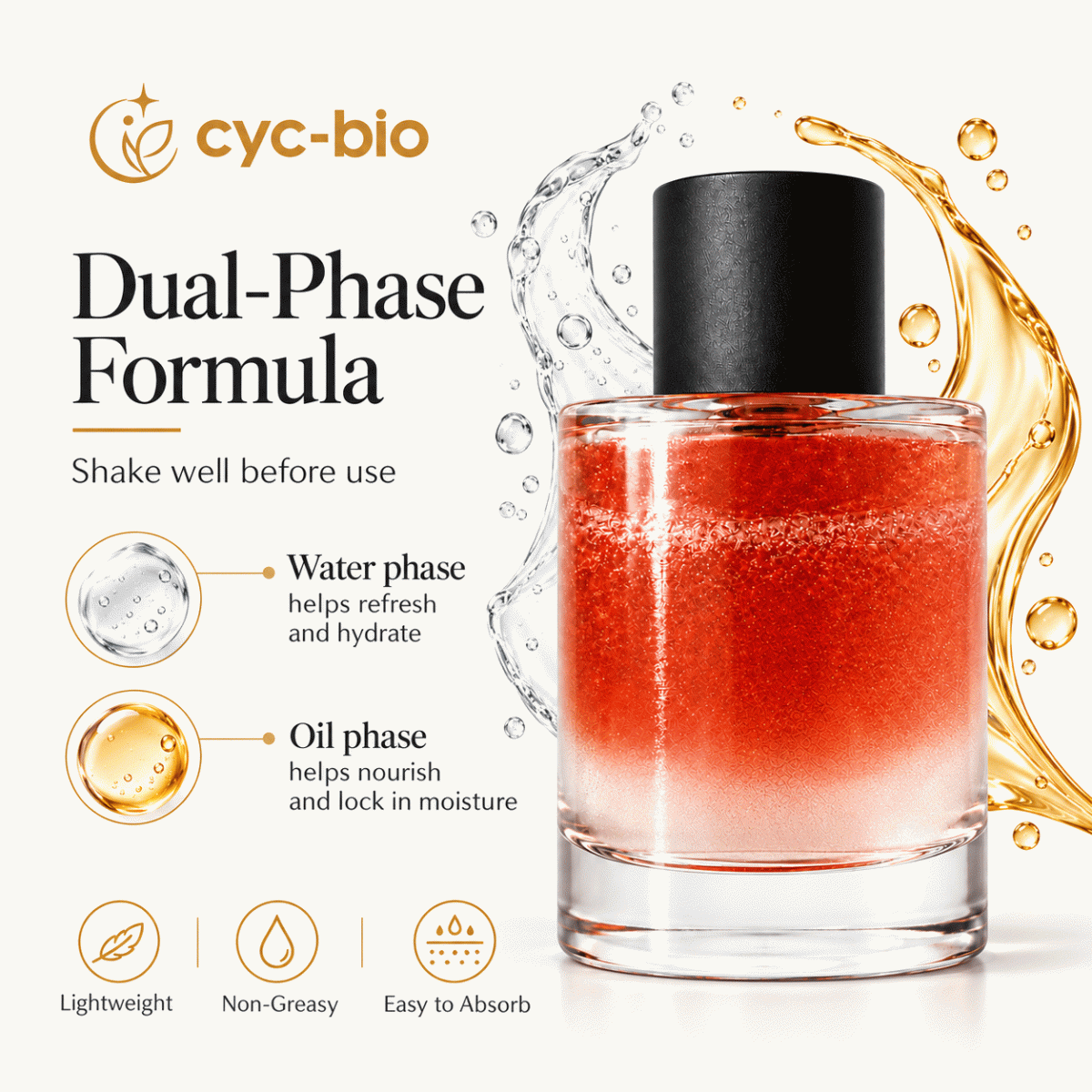
An example of product appearance considerations; development steps are confirmed per project.
3. When Is Private Label the Right Starting Point?
Private label can suit brands that want to introduce a product range while keeping development complexity manageable. The starting product may already have an established formula and available packaging options. The buyer then chooses the appropriate branding, decoration, cartons and any permitted product variations.
However, “private label” does not automatically mean instant availability or unlimited customization. Printing methods, packaging component inventory, minimum quantities, label claims and testing needs can materially change cost and timing.
What to ask: Which elements can be customized without a new formulation? What artwork files are required? Does your chosen bottle or jar work with the product? Which testing and labeling responsibilities apply?
Packaging selection, decoration and compatibility should be assessed together.
How to Choose a Manufacturing Model for Your Brand
Choose a specification-led OEM discussion when your team already has detailed technical requirements and wants a partner to manufacture to an agreed brief.
Explore ODM development when the product idea is clear but formulation, finish, performance or packaging still needs to be developed and evaluated.
Explore private label options when selecting from available product platforms is acceptable and branding or product-line testing is your immediate priority.
These approaches can overlap. CYC-BIO coordinates projects through its own manufacturing resources and selected production partners. The applicable development, manufacturing and quality responsibilities should be confirmed for each product—not assumed from the collaboration label.
What Should You Prepare Before Requesting a Quote?
A useful sourcing request is specific enough for a manufacturing partner to assess feasibility. Including the following information can improve the quality of the first discussion:
- Product category: foundation, cushion, body mist, lip product, fragrance or another format.
- Development status: existing specification, reference sample or early-stage concept.
- Target market: the countries or regions where the product is intended to be sold.
- Expected order volume: estimated units per SKU or shade.
- Packaging and branding: bottle/compact references, decoration method and artwork readiness.
- Quality and compliance needs: relevant testing, documentation and label requirements.
- Project schedule: preferred sample review and target launch timing.
For an overview of related services, see CYC-BIO OEM/ODM Solutions. You can also review our Manufacturing & Quality approach and product categories.
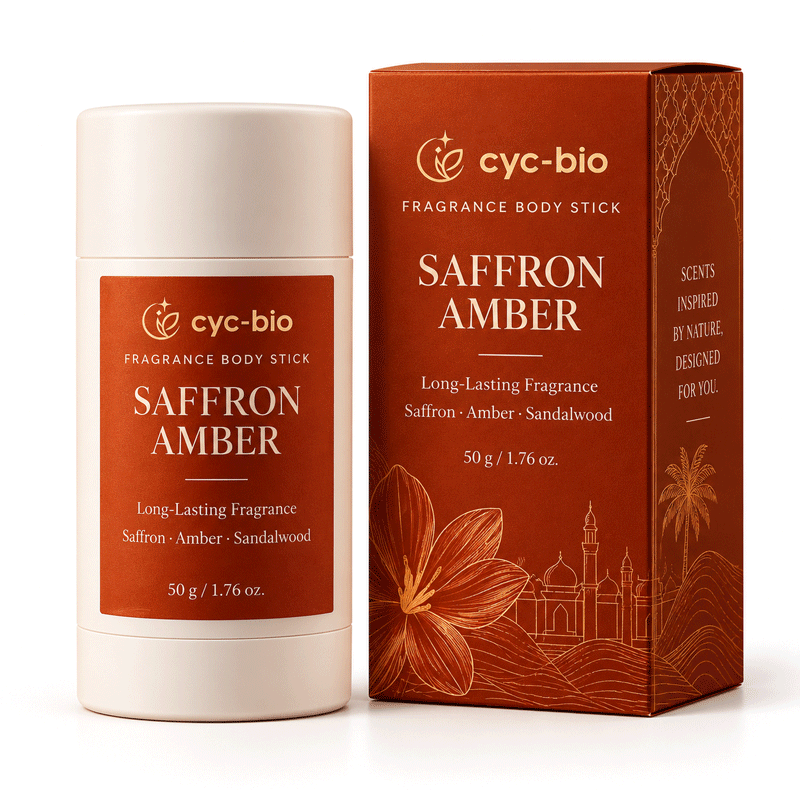
Another product example from the CYC-BIO portfolio. Specifications and order terms are product-specific.
Common Questions Before Starting a Cosmetic OEM/ODM Project
Is ODM always more expensive than private label?
Not necessarily. Project cost depends on the formula, packaging, order volume, sample iterations, testing and logistics. Compare itemized quotations for an informed decision.
Does OEM mean the buyer automatically owns the formula?
No. Ownership, licensing, exclusivity and confidentiality depend on the development and supply agreements. Confirm these terms before funding custom work.
Can I combine a standard formula with custom packaging?
Often, but packaging compatibility, artwork requirements and minimum quantities must still be evaluated. Some projects need testing even if the underlying formula is unchanged.
Which model is best for launching a new beauty brand?
There is no universally best model. Start with your product requirements, target market, quantity, budget and timeline, then compare the available development scope with prospective suppliers.